Germany
Germany is one of Europe’s most captivating travel destinations, offering an extraordinary blend of history, culture, architecture, and natural beauty. From bustling modern cities like Berlin and Stuttgart to charming medieval towns along the Romantic Road, Germany provides experiences for every type of traveler. Tours & Things to Do
Visitors can explore world-famous landmarks such as Neuschwanstein Palace, Cologne Cathedral, or the Würzburg Residence, while also uncovering hidden gems in picturesque villages, lush vineyards, and scenic river valleys. Whether you seek guided city tours, immersive cultural workshops, wine and culinary experiences, or outdoor adventures in the Alps and Black Forest, Germany delivers unforgettable memories for solo travelers, families, and groups alike.
Our expert local guides at Reimagine Tours bring over 20 years of experience in designing private tours and activities across Germany and Europe. With curated itineraries that combine major landmarks, authentic local experiences, and off-the-beaten-path discoveries, visitors can explore Germany like informed travelers. From Nuremberg’s medieval streets to Würzburg’s Baroque treasures, we ensure each tour provides in-depth storytelling, historical context, and practical tips to enhance every visit. For those looking to extend their journey, Germany’s central location in Europe makes it easy to combine your trip with nearby destinations such as Strasbourg, Vienna, Paris, Amsterdam, Rome, and Venice, creating seamless multi-country experiences.
Germany’s Tours & Things to Do offer natural landscapes complement its cultural richness, offering breathtaking outdoor adventures. Hike or ski in the Bavarian Alps, explore forest trails and cuckoo clock villages in the Black Forest, or enjoy scenic boat cruises along the Rhine Valley and Lake Constance. Wine enthusiasts can tour Franconian vineyards and indulge in VDP-certified tastings, while culinary travelers can savor regional specialties and seasonal festivals. Whether you prefer city streets, countryside charm, or riverside relaxation, Germany’s diversity of tours and activities ensures a perfectly balanced itinerary.
In the sections below, explore Germany city by city, uncover the top attractions, castle tours, wine experiences, scenic regions, and Romantic Road highlights. Later, discover key European destinations to extend your trip, followed by FAQs and guidance for booking your private, tailor-made adventures.
Nuremberg – Medieval Charm, History & Culinary Delights
Nuremberg – Medieval Charm, History & Culinary Delights
Nuremberg is a city where medieval architecture meets modern vibrancy, offering travelers a deep dive into Germany’s cultural and historical heritage. Known for its well-preserved city walls, cobblestone streets, and the iconic Nuremberg Castle, the city provides endless opportunities for exploration.
Strolling through the old town, visitors encounter half-timbered houses, bustling squares, and charming artisan shops that capture the essence of Franconian Germany. Nuremberg is also world-renowned for its Christmas markets, with the Christkindlesmarkt attracting visitors from across the globe for its festive stalls, seasonal treats, and traditional handcrafted gifts.
Top attractions in Nuremberg include:
Nuremberg Castle Tour & Things to Do – Explore the historic fortress and enjoy panoramic views of the city while learning about medieval power and architecture.
Gothic Glory & Medieval Magic Tour – A private walking tour of Nuremberg’s old town, uncovering hidden stories and architectural highlights. Book here
Albrecht Dürer House – Visit the home of Germany’s famous Renaissance painter, complete with historical exhibits and artwork reproductions.
Germanisches Nationalmuseum – Germany’s largest cultural history museum, showcasing artifacts from medieval times to modern art.
Nuremberg Christkindlesmarkt Tour & Things to Do – Seasonal Christmas market with traditional foods, mulled wine, and handcrafted gifts, perfect for winter travelers.
Beyond sightseeing, Nuremberg offers excellent culinary and wine experiences, particularly along the Franconian Wine Route, where visitors can sample VDP-certified vineyards and enjoy private tastings. The city also serves as an ideal starting point for Romantic Road day trips, including excursions to Rothenburg ob der Tauber and Würzburg, combining cultural immersion with scenic drives and historical storytelling. River cruise passengers frequently choose Nuremberg as a stop, with private tours designed to fit ship schedules, ensuring a stress-free experience of the city’s highlights.
Nuremberg blends history, art, culture, and gastronomy, making it a must-visit German city for travelers seeking both immersive tours and authentic local experiences. Whether you’re exploring medieval streets, enjoying a wine tasting, or participating in seasonal festivities, Nuremberg offers a rich and memorable adventure in the heart of Franconia.

Würzburg – Baroque Splendor, Wine, and Scenic River Views
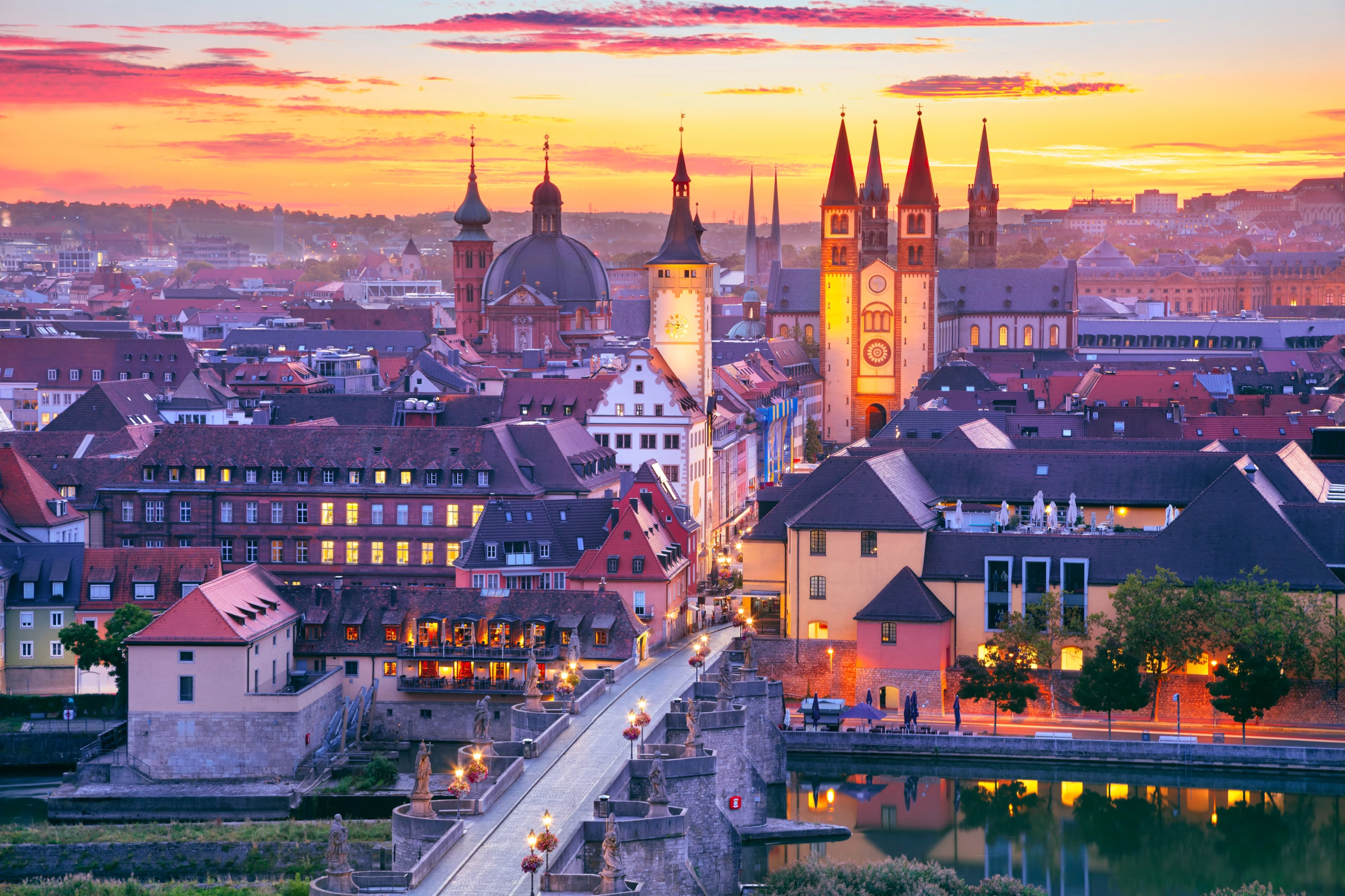
Würzburg is a gem along the Romantic Road, famous for its Baroque and Rococo architecture, historic residences, and scenic location along the Main River. The city offers travelers a rich blend of cultural, architectural, and culinary experiences, making it a prime destination for private tours and day trips.
Würzburg’s historic center is filled with charming streets, grand churches, and vibrant squares, where visitors can enjoy leisurely strolls and local delicacies. The city is also a hub for Franconian wine culture, with vineyards and wine cellars offering tastings and immersive vineyard tours.
Top attractions in Würzburg include:
Würzburg Residence and Gardens Tour & Things to Do – A UNESCO World Heritage Site, featuring opulent Baroque architecture, frescoed ceilings, and beautifully landscaped gardens. Book the city tour here
Marienberg Fortress Tour & Things to Do – Overlooking the city from a hilltop, this historic fortress provides panoramic views of Würzburg, the Main River, and the surrounding vineyards.
Würzburg Christmas Market Tour & Things to Do – One of Bavaria’s most enchanting winter markets, set against the Baroque Falkenhaus and the historic Marienkapelle, offering traditional crafts, regional food specialties, mulled wine, and festive holiday activities.
Alte Mainbrücke (Old Main Bridge) – A historic bridge adorned with statues of saints, perfect for scenic walks and sunset views over the river.
Würzburg Wine and Cellar Tours – Explore local vineyards, enjoy private tastings, and learn about the region’s VDP-certified wine traditions. Book the wine tour here
Käppele Sanctuary – A Baroque pilgrimage church situated on a hillside, offering both spiritual history and incredible city vistas.
Würzburg is not only about history and wine; it serves as a gateway for Romantic Road excursions, connecting travelers to Rothenburg ob der Tauber, Dinkelsbühl, and scenic castles along the route. Culinary experiences in Würzburg are also exceptional, with local restaurants featuring Franconian specialties, seasonal markets, and cozy wine taverns where visitors can pair regional dishes with exquisite wines.
River cruise guests often include Würzburg as a private tour stop, allowing seamless exploration of the city’s highlights within a few hours. From guided walks of the Residence to cellar tastings and fortress visits, Würzburg blends cultural depth, scenic beauty, and gastronomy, providing a fully rounded experience for travelers seeking both iconic landmarks and authentic local adventures.
Munich – Bavarian Culture, Festivals, and Architectural Highlights
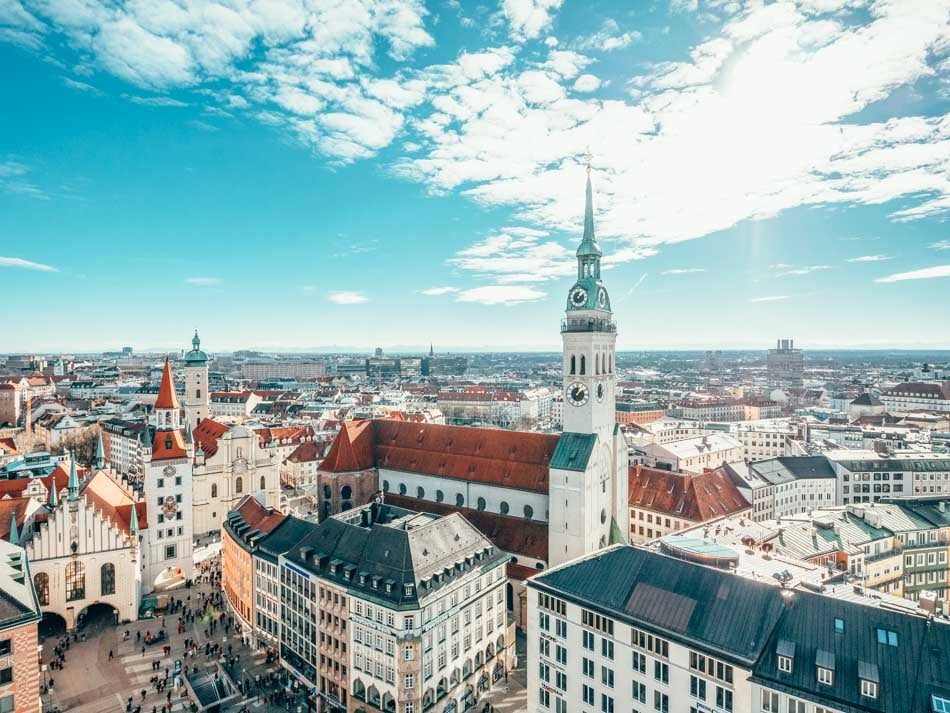
Munich, the capital of Bavaria, offers travelers a rich blend of history, culture, and modern vibrancy with Munich Tours & Things to Do. Visitors can explore centuries-old architecture, world-class museums, and lively squares while experiencing authentic Bavarian life. From bustling marketplaces to serene parks, Munich delivers a comprehensive urban experience, perfect for cultural explorers and festive travelers alike.
The city is famous for its historical landmarks, traditional beer halls, and vibrant seasonal events. Visitors can enjoy architectural treasures, guided walking tours, and immersive cultural experiences, all while sampling Bavarian cuisine and learning the stories behind the city’s iconic sites. Munich’s combination of tradition and modernity makes it a must-visit destination on any Germany itinerary.
Attractions
Marienplatz & Neues Rathaus Tour & Things to Do – The central square of Munich, Marienplatz, features the iconic Neues Rathaus with its famous Glockenspiel show. Visitors can explore nearby historic streets, shops, and cafés while enjoying the lively atmosphere at the heart of the city.
Englischer Garten – One of the world’s largest urban parks, the Englischer Garten offers riverside walking trails, traditional beer gardens, and peaceful green spaces. It’s a favorite for locals and tourists alike to relax or enjoy outdoor activities.
Frauenkirche – The city’s most famous church, the Frauenkirche, is known for its twin onion-domed towers and stunning Gothic interior. Visitors can climb the tower for panoramic views of Munich and the surrounding Alps.
Munich Residenz Tour & Things to Do – A former royal palace of the Bavarian monarchs, the Residenz is an architectural marvel with opulent rooms, courtyards, and museums that showcase the city’s rich heritage.
Nymphenburg Palace Tour & Things to Do – This Baroque palace features beautiful gardens, elegant interiors, and the Marstallmuseum, offering insight into Bavaria’s royal history.
Munich Christmas Market Tour & Things to Do – Held in the historic city center, this market is one of the city’s most enchanting seasonal attractions. Visitors enjoy traditional Bavarian treats, handcrafted gifts, festive decorations, and cultural performances set against Munich’s historic architecture.
For travelers seeking a guided experience, the Munich Majesty: Bavarian Heritage & Modern Marvels Tour provides a curated private exploration of Munich’s top attractions, including Marienplatz, Frauenkirche, Nymphenburg Palace, and the seasonal Christmas Market. Guests enjoy insider insights, flexible timing, and a personalized itinerary to maximize their visit.
Exploring Munich Tour & Things to Do with a knowledgeable guide ensures travelers experience both the well-known landmarks and hidden gems. From historic streets and royal palaces to cultural festivals and local neighborhoods, visitors gain context, stories, and immersive experiences that go beyond standard sightseeing.
Whether enjoying seasonal markets, strolling through architectural masterpieces, or sampling Bavarian cuisine, Munich offers a complete cultural experience that is both enriching and unforgettable. This city’s combination of heritage, tradition, and modernity ensures it stands alongside Nürnberg and Würzburg as a top destination in Germany.
Cologne: Old Town, Cathedral, and Rhine Heritage
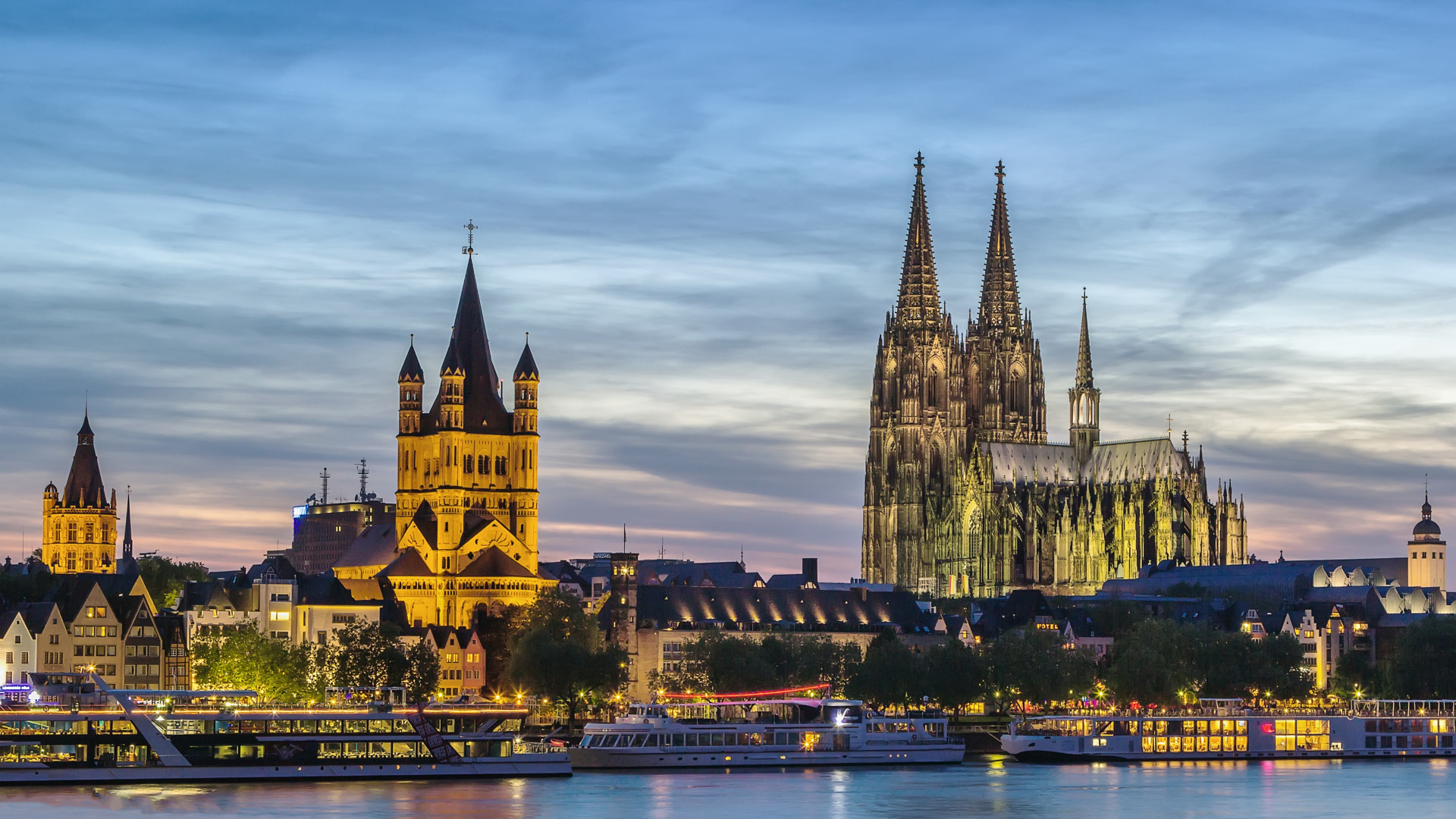
Tours Cologne is a dynamic Rhine city that blends deep history with contemporary culture, making it one of Germany’s most compelling places to visit. The city’s skyline is dominated by the soaring Gothic spires of Cologne Cathedral, while its streets pulse with cafés, galleries, and riverside promenades. Visitors can enjoy a mix of historic exploration and modern experiences—museums, craft breweries, art galleries, and lively markets all contribute to Cologne’s unmistakable character.
Cologne also acts as a gateway to the Rhine Valley, with easy access to things to do – river cruises, nearby castles, and wine regions. Seasonal festivals, music events, and local food traditions add layers of discovery for travelers. Whether you’re interested in history, architecture, culinary experiences, or simply soaking up the riverside atmosphere, Cologne offers a wide range of guided tours, private activities, and day-trip options that suit every itinerary.
Attractions
Cologne Cathedral (Kölner Dom) Tour & Things to Do – This UNESCO World Heritage cathedral is Cologne’s centerpiece: a breathtaking example of Gothic architecture with intricate stonework and stained glass. Visitors can tour the nave, visit the treasury, and climb the tower for panoramic views of the Rhine and the city. Guided Cathedral tours provide historical context and highlight the building’s art and relics.
Old Town (Altstadt) & Rhine Promenade Tour & Things to Do – Wander through cobbled lanes lined with colorful historic houses, traditional Kölsch breweries, and cozy cafés. The Rhine promenade is perfect for strolling, river-watching, and joining a guided walking tour that combines Old Town stories with local culinary stops.
Museum Ludwig Tour & Things to Do– Renowned for its modern art collection, Museum Ludwig features major works of pop art, expressionism, and contemporary pieces. It’s an essential stop for culture seekers and pairs well with thematic art tours of Cologne.
Hohenzollern Bridge & Love Locks Tour & Things to Do – The pedestrian crossing offers close-up views of the cathedral and the river. It’s famous for its thousands of “love locks,” and guided walks here often include photography tips and historical anecdotes about the city’s bridges and river trade.
Cologne Christmas Market Tour & Things to Do – When in season, the Christmas markets around the Cathedral and Old Town create a festive atmosphere with artisan gifts, regional treats, mulled wine, and live entertainment. These markets are a highlight for travelers seeking authentic local traditions during winter.
Explore Cologne on a guided city tour: Cologne Tours – Old Town & Cathedral (Book here) — a private or small-group option that covers the cathedral, Old Town, Rhine promenade, and cultural highlights with insider commentary and flexible pickup options.
Cologne’s mix of monumental architecture and approachable urban life ensures visitors can move easily between big sights and local experiences. From cathedral steps to riverside cafés, the city invites slow exploration as well as efficient guided tours that deliver deep historical and cultural understanding.
For travelers extending their journey, Cologne pairs perfectly with Rhine Valley cruises, day tours to nearby castles, and regional wine tastings—making it both a standalone destination and a practical hub for broader German itineraries.
Rothenburg ob der Tauber: Medieval Charm, Timeless Streets, and Storybook Heritage
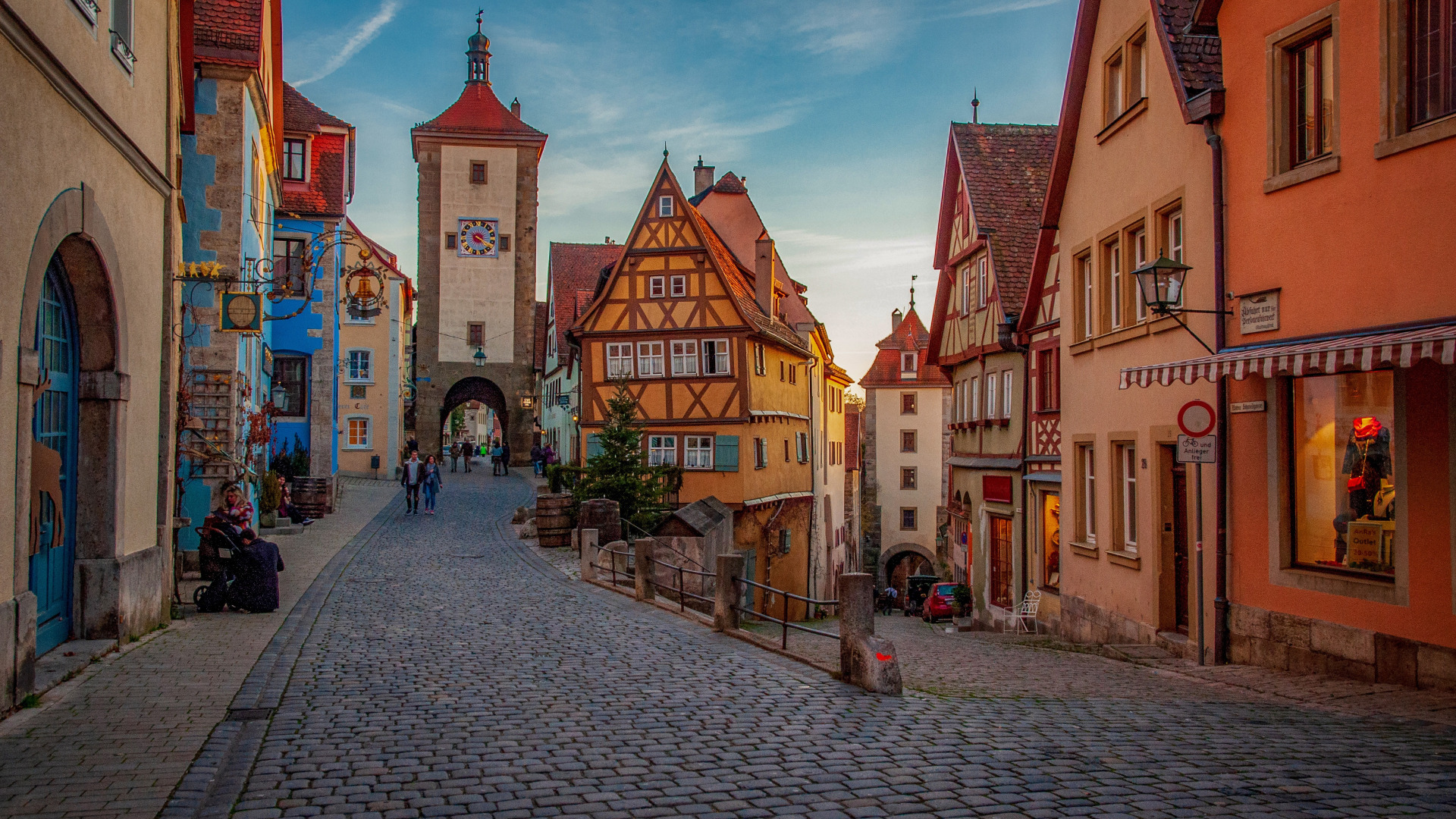
Rothenburg ob der Tauber Tours & Things to Do is one of Germany’s most iconic medieval destinations, celebrated for its remarkably preserved Old Town, half-timbered houses, and atmospheric cobblestone lanes. Visitors seeking things to do, activities, and guided tours will find Rothenburg overflowing with history, tradition, and unforgettable scenery. It offers one of the most immersive medieval environments in Europe, drawing travelers who want to explore authentic architecture, historic marketplaces, and timeless German culture.
The town’s rich heritage, seasonal events, and picturesque streets make it a top stop on the Romantic Road. Rothenburg is perfect for travelers looking for expert-led activities such as city tours, cultural experiences, walking adventures, and photo-friendly sightseeing stops. Every corner reveals another piece of the town’s fascinating past.
Attractions
Marktplatz & Town Hall Tower – Rothenburg’s main square Tour & Things to Do is surrounded by beautifully preserved buildings and vibrant daily life. Visitors can climb the Town Hall Tower for one of the best panoramic views in Germany. Many tours begin here, focusing on medieval trade, local legends, and Rothenburg’s importance on the historic trade routes.
Plönlein (The Little Square) Tour & Things to Do – Perhaps the most photographed medieval street in the world, Plönlein captures the essence of Rothenburg’s charm. Guided activities in this area highlight the town’s original defensive layout and explain why this iconic scene represents the Romantic Road globally.
City Walls & Tower Walk Tour & Things to Do – One of Germany’s last fully intact defensive walls. Walking the walls offers unique things to do such as exploring towers, admiring panoramic views, and discovering centuries-old guard passages. Many city tours include this route to blend scenery with history.
Medieval Crime Museum Tour & Things to Do – A must-see attraction showcasing Europe’s legal and social history through rare artifacts, documents, and preserved instruments. Cultural tours often include this stop to help visitors understand medieval life beyond the fairy-tale appearance.
Käthe Wohlfahrt Christmas Village Tour & Things to Do – This legendary Christmas shop is open all year and offers one of Rothenburg’s most popular activities. Inside, visitors explore handcrafted ornaments, festive decorations, and a museum dedicated to holiday traditions.
Experience the town with the official guided tour: Rothenburg ob der Tauber Romantic Road Tour — https://reimaginetours.com/st_tour/rothenburg-ob-der-tauber-romantic-road-tour/. This tour includes photography stops, historic storytelling, hidden alleys, and expert guidance through the most beautiful parts of Rothenburg.
Rothenburg Tour & Things to Do is ideal for travelers who want high-quality tours, immersive activities, and classic German scenery in one location. The town’s preserved architecture, vibrant traditions, and unique atmosphere make it perfect for both day trips and overnight stays, especially when guided by an experienced local expert.
Beyond Rothenburg, travelers can continue their journey along the Romantic Road, visiting destinations such as Würzburg, Dinkelsbühl, and Augsburg. Custom private tours can connect these cities, creating flexible itineraries tailored to your schedule and interests.
Stuttgart – Urban Charm, Automotive Legacy, and Swabian Culture
Stuttgart, the capital of Baden-Württemberg, is a city that perfectly balances history, modernity, and regional charm, making it a standout destination for Stuttgart Tours & Things to Do. Visitors can explore grand squares, historic architecture, and vibrant shopping streets while experiencing the unique Swabian culture. The city is renowned for its automotive legacy, lush parks, and thriving cultural scene, offering travelers a variety of experiences ranging from museums and scenic viewpoints to local cuisine and lively festivals.
Travelers seeking immersive Tours & Things to Do will find Stuttgart exceptionally rewarding. Whether strolling through beautifully landscaped gardens, wandering the bustling Königstraße, or sampling Swabian dishes at local restaurants, the city provides countless opportunities to connect with its rich heritage. Guided tours and private experiences allow visitors to uncover hidden gems, enjoy insider stories, and navigate the city with ease while gaining a deeper understanding of its history and traditions.
Attractions
Stuttgart Skyline & Speed: Ultimate Automotive Adventure Tour & Things to Do – This private tour is the city’s signature experience, combining panoramic city views, iconic landmarks, and Stuttgart’s legendary automotive heritage. Guests enjoy a curated route with insider insights into the Mercedes-Benz and Porsche areas, architecture, and local history. Book now: Stuttgart Skyline & Speed Tour
Königstraße Tour & Things to Do – Stuttgart’s main shopping boulevard stretches through the heart of the city, featuring boutiques, cafés, and lively pedestrian areas. Visitors can explore historic streets, discover local Swabian cuisine, and enjoy the vibrant city atmosphere.
Schlossplatz Tour & Things to Do – At the center of Stuttgart, Schlossplatz is framed by the Baroque Neues Schloss and elegant gardens. Seasonal festivals, cultural events, and Christmas markets make this square a focal point for visitors, providing a perfect place to relax, take photos, and experience city life.
Wilhelma Zoological‑Botanical Garden Tour & Things to Do – A unique combination of zoo and botanical garden set in historic architecture, Wilhelma hosts thousands of plant varieties and a diverse collection of animals. Families and nature enthusiasts can enjoy a serene escape while exploring fascinating exhibits.
Stuttgart’s appeal extends beyond its main attractions. Travelers can enjoy regional wine tasting, Swabian culinary specialties, and vibrant festivals like the Stuttgarter Weindorf. The city’s combination of green spaces, historic streets, and modern museums provides endless opportunities for memorable Tours & Things to Do.
Booking the Stuttgart Skyline & Speed: Ultimate Automotive Adventure Tour allows visitors to experience the city’s highlights and legendary automotive culture with expert guidance. From historic architecture and bustling streets to scenic viewpoints and cultural experiences, Stuttgart offers a rich and immersive destination for every traveler seeking quality Tours & Things to Do.
Berlin – Museums, Street Art, and Cultural Exploration
Berlin is a city where history, culture, and modern vibrancy converge, offering travelers endless tours, activities, and things to do. Explore iconic landmarks such as the Brandenburg Gate, Reichstag, and Berlin Wall Memorial, while uncovering the stories behind pivotal moments in German history. Private walking tours allow visitors to experience the city’s thriving street art, hip neighborhoods, and historic architecture with insider insights from local guides. Cultural enthusiasts can enjoy museum tours on Museum Island, discover Cold War-era sites, and participate in immersive workshops highlighting Berlin’s contemporary art and culinary scene. Whether you’re seeking full-day city tours, guided explorations of historic streets, or unique local experiences, Berlin offers a rich variety of activities that ensure travelers connect deeply with both the past and present of Germany’s capital.
Dresden – Baroque Masterpieces and Art
Dresden, often called the “Florence on the Elbe,” showcases some of Germany’s most stunning baroque architecture and world-class museums. Guided tours lead travelers through the Zwinger Palace, Frauenkirche, and ornate palace gardens, while cultural tours highlight music heritage, historic theaters, and seasonal walking routes that reveal local traditions. Private tours allow visitors to explore hidden courtyards, art collections, and historic streets at a relaxed pace. Dresden’s riverfront promenades and squares offer picturesque photo opportunities, combining architectural marvels with local food, craft shops, and cultural experiences.
Heidelberg – Romantic Castle and Old Town
Heidelberg offers an unforgettable blend of romantic architecture, scenic views, and historical charm. Guided tours typically focus on the Heidelberg Castle ruins, the Old Bridge, and the medieval streets of the Altstadt. Visitors enjoy cultural walks highlighting the university’s historic sites, local markets, and scenic viewpoints over the Neckar River. Culinary and wine experiences can be added to tours, including tasting regional specialties and exploring charming cafes. Private guides share stories of Heidelberg’s past, including its role in German literature, philosophy, and student traditions, making every tour engaging and memorable.
Regensburg – UNESCO Medieval Streets
Regensburg, a UNESCO World Heritage city, provides travelers with an authentic medieval experience. Walking tours cover the Stone Bridge, cathedral, historic squares, and centuries-old houses, connecting visitors with the city’s rich heritage. Private tours allow for in-depth exploration of markets, local traditions, and hidden alleys away from crowds. Cultural activities often include visits to museums, traditional workshops, or seasonal festivals. Regensburg’s blend of preserved architecture, scenic riverside views, and local cuisine makes it an ideal destination for travelers seeking history, culture, and authentic experiences.
Bamberg – Culinary and Cultural Tours
Bamberg is a unique destination for both history and gastronomy. Private tours explore the UNESCO-listed old town, the Bamberg Cathedral, and charming streets lined with half-timbered houses. Visitors can enjoy brewery visits, traditional beer tastings, and culinary experiences that showcase the city’s culinary heritage. Guides also provide insights into Bamberg’s history, cultural traditions, and medieval architecture. Small-group experiences ensure personalized attention, allowing travelers to explore historic alleys, cultural landmarks, and local markets with ease.
Augsburg – Renaissance Streets and History
Augsburg is known for its Renaissance architecture, the Fuggerei, and rich historical streets. Guided walking tours reveal the city’s artistic and cultural legacy, including museums, historic town halls, and churches. Visitors can also experience local culinary offerings, artisan workshops, and curated experiences that highlight Augsburg’s role in European history. Private tours allow travelers to explore at their own pace, combining architectural insights with cultural stories and hidden gems that make the city’s heritage come alive.
Leipzig – Music and Urban Culture
Leipzig combines music heritage, modern art, and vibrant urban culture. Tours focus on composer homes, historic sites, and cultural landmarks, with private guides providing in-depth stories about Bach, Mendelssohn, and the city’s musical evolution. Walking tours showcase contemporary art, street murals, and historic squares, blending history with modern urban life. Culinary stops, local markets, and seasonal events offer additional insights into the city’s dynamic culture, creating a well-rounded experience for history enthusiasts, music lovers, and urban explorers alike.
Lübeck – Medieval Old Town and Marzipan
Lübeck is celebrated for its medieval old town, UNESCO heritage sites, and marzipan tradition. Walking tours guide visitors through narrow streets, historic gates, riverside promenades, and iconic churches. Private tours include cultural experiences like marzipan workshops, museum visits, and exploration of the city’s Hanseatic past. Lübeck’s blend of architecture, culinary tradition, and local markets provides travelers with immersive experiences that highlight both the city’s historic charm and contemporary cultural life.
Neuschwanstein Palace – Bavaria’s Fairy-Tale Castle
Neuschwanstein Palace is Germany’s most iconic castle and a must-see on any German itinerary. Nestled in the Bavarian Alps, the castle offers panoramic views of mountains, lakes, and forests, making it a photographer’s dream. Private tours guide visitors through lavish interiors, including the Throne Hall and King Ludwig II’s personal chambers, while providing historical context about the king’s vision, architectural style, and inspirations from Wagnerian operas. Beyond the castle, visitors can enjoy hiking trails, scenic viewpoints, and cultural stops in nearby villages, creating a full-day immersive experience that combines history, nature, and fairy-tale charm.
Hohenzollern Castle – Hilltop Fortress Near Stuttgart
Hohenzollern Castle, perched atop a hill near Stuttgart, is a striking example of Germany’s medieval fortresses. Guided tours cover the castle’s impressive halls, armory, and royal artifacts, while private excursions allow for exploring terraces with breathtaking panoramic vistas. The castle’s history as the ancestral seat of the Prussian royal family is brought to life by knowledgeable guides who share stories of kings, battles, and architectural evolution. Visitors can also combine their tour with nearby hiking routes, forest walks, and photography spots, making it ideal for travelers seeking both history and natural beauty.
Linderhof Palace – Opulence and Gardens
Linderhof Palace, another creation of King Ludwig II, is a smaller yet exquisitely ornate palace that showcases rococo architecture and opulent interiors. Tours explore lavish rooms, mirrors, and ceilings adorned with art, while private guides explain Ludwig II’s eccentric tastes and vision for his royal residences. The palace gardens provide a peaceful setting for walking tours, photography, and seasonal events. Combining Linderhof with Neuschwanstein or Hohenschwangau on a full-day private tour creates a comprehensive exploration of Bavaria’s royal history and fairy-tale castles.
Romantic Road – Scenic Routes and Medieval Towns
The Romantic Road is one of Germany’s most celebrated scenic routes, connecting historic towns, vineyards, and picturesque landscapes. Travelers can explore Rothenburg ob der Tauber, Dinkelsbühl, Würzburg, and Augsburg, enjoying walking tours, wine tastings, and guided village explorations. Private tours along the Romantic Road reveal hidden alleys, centuries-old churches, local markets, and fortress lookouts, giving travelers an intimate experience of traditional German heritage. This route also offers a blend of countryside charm and medieval architecture, creating opportunities for photography, culinary stops, and cultural immersion. Travelers can extend their journey to Neuschwanstein Castle, scenic river valleys, and nearby European cities, ensuring a seamless mix of urban and rural experiences.
Bavarian Alps and Alpine Adventures
The Bavarian Alps provide unforgettable outdoor adventures for all types of travelers. Hiking trails, cable car rides, and guided skiing excursions reveal stunning alpine panoramas, including views of Neuschwanstein and surrounding valleys. Private tours combine physical activity with cultural exploration, stopping at mountain villages, traditional breweries, and scenic viewpoints. Seasonal tours include snowshoeing, alpine spas, and photography-focused excursions, allowing travelers to experience Bavaria’s natural beauty at any time of year.
Rhine Valley – Vineyards and River Cruises
The Rhine Valley is a highlight of Germany’s natural and cultural landscape. Travelers enjoy private river cruises past medieval castles, terraced vineyards, and charming riverside towns. Wine tastings at local estates, paired with guided tours of historic villages and scenic walks, create a rich sensory experience. Private guides share stories about Rhine legends, local history, and winemaking traditions, making each tour both educational and enjoyable. Couples, families, and small groups can enjoy personalized itineraries combining cruising, tasting, and cultural discovery.
Black Forest – Nature Walks and Culinary Tours
The Black Forest region offers lush landscapes, dense woodlands, and charming cuckoo clock villages. Guided nature walks explore forests, waterfalls, and scenic trails, while culinary tours introduce regional specialties, traditional crafts, and hidden local experiences. Private tours allow travelers to immerse themselves in village life, craft workshops, and seasonal festivals, ensuring a comprehensive connection with the region’s culture and environment. Whether hiking, tasting, or exploring local history, the Black Forest provides diverse activities for all ages and interests.
Lake Constance, Chiemsee, and Königssee – Lakeside Adventures
Southern Germany’s lakes are perfect for combining scenic beauty with cultural exploration. Private tours include boat excursions, lakeside walks, and visits to surrounding towns. Travelers can enjoy regional cuisine, historical landmarks, and photography opportunities while taking in serene water views. Chiemsee and Königssee provide alpine reflections, mountain backdrops, and private boat experiences, while Lake Constance offers cycling tours, garden walks, and cultural excursions in towns like Friedrichshafen and Lindau. These lakeside destinations offer relaxation, adventure, and cultural immersion in one package.
Hamburg – Northern Port and Cultural Hub
Hamburg, Germany’s second-largest city, is famed for its bustling port and maritime heritage. Visitors can explore the historic Speicherstadt warehouse district, a UNESCO World Heritage site, with canals, bridges, and museums like Miniatur Wunderland, the world’s largest model railway. The modern Elbphilharmonie concert hall combines stunning architecture with panoramic views over the harbor. The Reeperbahn district offers nightlife, live music, and theaters, while harbor cruises showcase the city’s trading legacy. With museums, parks, riverside promenades, and seasonal festivals, Hamburg blends history, culture, and modern city life seamlessly.
Düsseldorf – Rhine Elegance and Modern Arts
Düsseldorf is a stylish Rhine River city, known for its Altstadt (Old Town), called the “longest bar in the world” due to its concentration of pubs. Königsallee offers high-end shopping and luxury experiences, while the city’s art scene thrives in museums such as K20 and K21. Visitors enjoy riverside walks, cycling along the Rhine, and seasonal festivals like Karneval. Its mix of historic charm, modern design, and cultural attractions makes Düsseldorf a must-see city in western Germany.
Frankfurt – Germany’s Financial and Cultural Capital
Frankfurt blends futuristic skyscrapers with historic architecture. The Römerberg square showcases medieval buildings, while the skyline reflects its status as Germany’s financial hub. Cultural highlights include the Städel Museum, Goethe House, and Palmengarten botanical gardens. The River Main promenade is ideal for walks, cycling, and river cruises. Frankfurt also serves as a gateway for day trips along the Rhine and to nearby historic towns like Limburg and Mainz.
Bremen – Hanseatic History and Fairy Tales
Bremen, a Hanseatic city in northern Germany, is famous for its medieval Town Hall, Roland Statue, and Schnoor district with artisan shops. The Weser River promenade offers walks and riverside dining. Bremen is home to the Bremen Town Musicians from the Brothers Grimm fairy tales and hosts vibrant seasonal markets and festivals. Its maritime culture and preserved historic streets make it a charming northern destination.
Kassel – Art and UNESCO Heritage
Kassel is home to the Bergpark Wilhelmshöhe, a UNESCO World Heritage site with palaces, waterfalls, and the Hercules monument. The city hosts the documenta art exhibition every five years, drawing contemporary art lovers worldwide. Kassel combines cultural events, historical landmarks, and expansive parks, offering both urban and nature-based exploration.
Freiburg im Breisgau – Gateway to the Black Forest
Freiburg offers historic streets, a Gothic cathedral, and vibrant markets. Its location near the Black Forest makes it ideal for hiking, cycling, and exploring cuckoo-clock villages. Freiburg is also known for sustainable urban planning, lively student life, and access to regional wine tours, blending city charm with natural escapes.
Wismar & Lübeck – Hanseatic Gems
Wismar and Lübeck, on the Baltic coast, are UNESCO World Heritage towns with cobblestone streets, medieval architecture, and port history. Lübeck is famous for marzipan, while Wismar features historic squares and harbor tours. Both cities offer cultural walking tours, local cuisine, and seasonal festivals, highlighting Germany’s northern heritage.
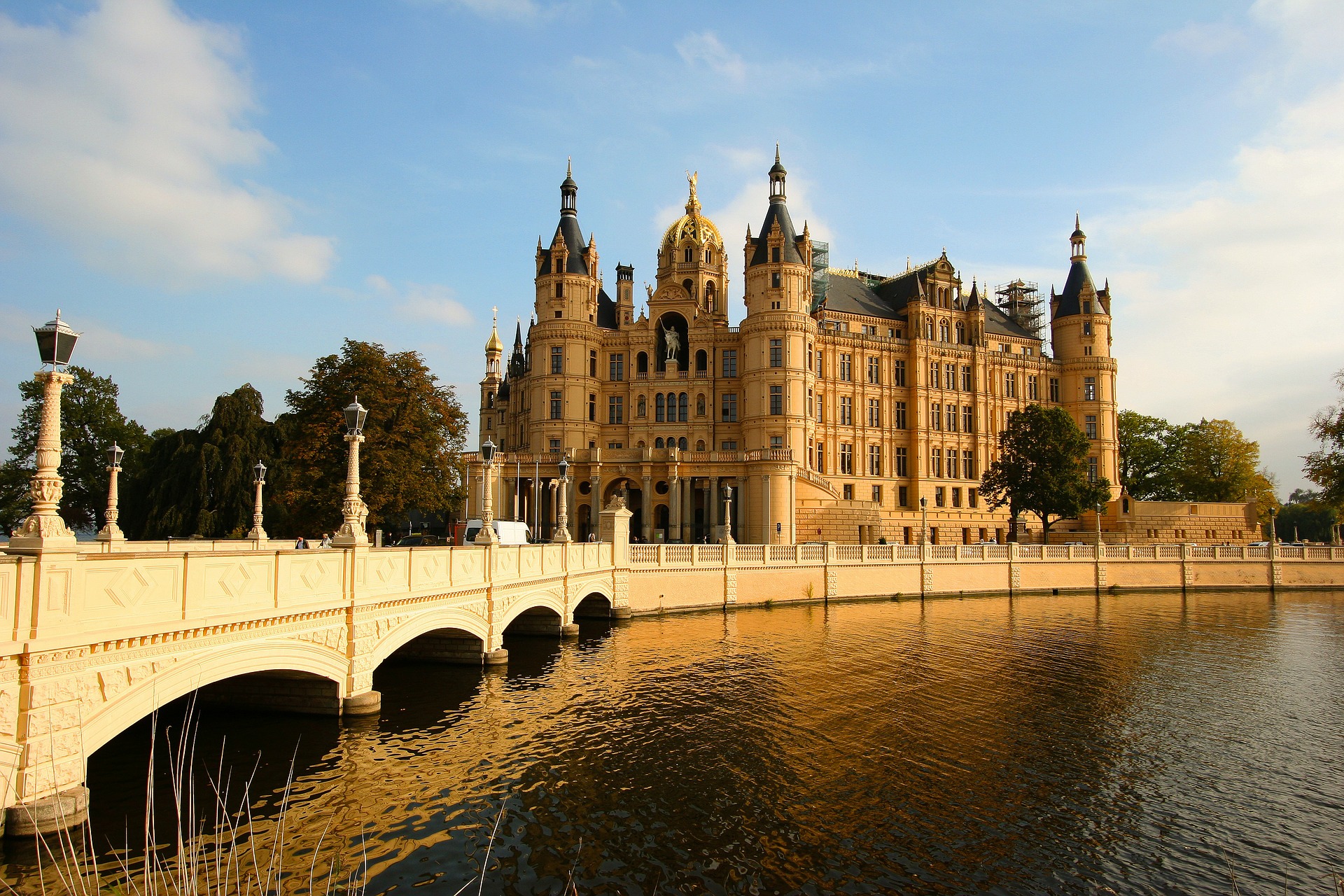
Schwerin Castle – Mecklenburg-Vorpommern Fairytale Fortress
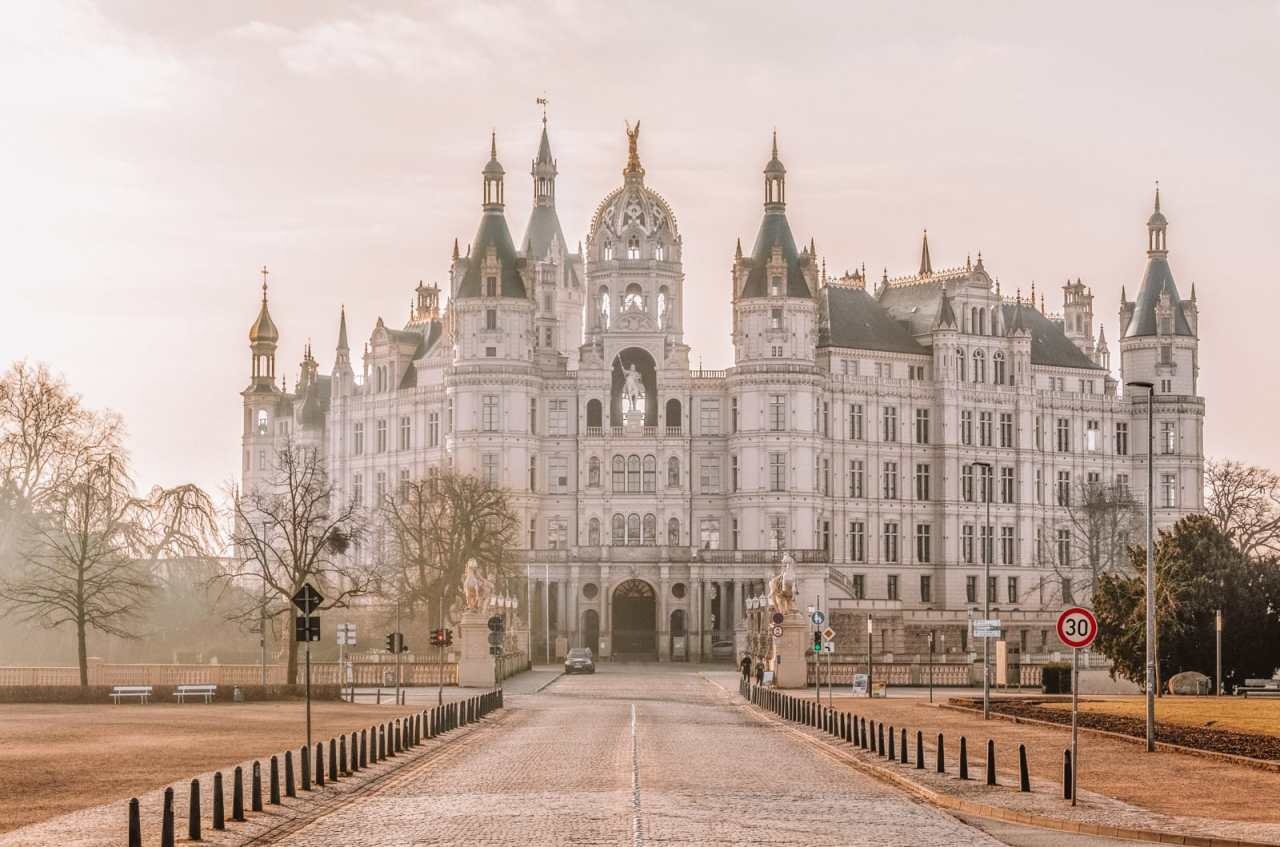
Schwerin Castle, situated on an island in Lake Schwerin, is a stunning example of romantic historicism. With its towers, drawbridges, and surrounding gardens, it is often called the “Neuschwanstein of the North.” Visitors can tour the lavish interiors, explore the castle grounds, and enjoy lake views by boat. The city of Schwerin itself offers quaint streets, lakeside promenades, and museums that highlight regional history and art, making this a northern German gem.
Sanssouci Palace & Park – Potsdam, Brandenburg
Sanssouci Palace, often compared to Versailles, sits in Potsdam near Berlin. This rococo summer palace of Frederick the Great is set in expansive gardens with fountains, statues, and terraces. Visitors can combine palace tours with a walk through the historic town of Potsdam, its Dutch Quarter, and nearby palaces like Neues Palais and Cecilienhof. The area is perfect for architecture lovers, garden enthusiasts, and history-focused day trips from Berlin.
Wartburg Castle – Eisenach, Thuringia
Wartburg Castle, perched on a hill near Eisenach, is famous for its medieval architecture and cultural significance, including Martin Luther’s translation of the New Testament. Visitors explore historic rooms, fortified walls, and scenic lookout points. The surrounding Thuringian Forest offers hiking, cycling, and nature tours, making Wartburg both a cultural and natural destination.
Spreewald – Brandenburg Nature and Canoe Tours
Spreewald is a UNESCO biosphere reserve featuring canals, rivers, and forests. Visitors enjoy boat tours, kayaking, cycling, and traditional sorbian villages. The region is renowned for its pickles, local culinary specialties, and authentic rural experiences. Spreewald offers an immersive outdoor adventure close to Berlin, ideal for nature and culture lovers alike.
Harz Mountains – Saxony-Anhalt, Lower Saxony, Thuringia
The Harz Mountains offer hiking, medieval towns, and winter sports. Quedlinburg and Goslar showcase timber-framed architecture and UNESCO sites. Visitors can ride the Brocken Railway to the highest peak, explore historic mines, or enjoy scenic trails, waterfalls, and forests. Harz is perfect for outdoor enthusiasts, history buffs, and families seeking both adventure and cultural enrichment.
Mecklenburg Lake District – Lakes, Canoeing, and Nature
The Mecklenburg Lake District is a vast network of lakes, rivers, and canals ideal for boating, kayaking, and cycling. Popular destinations include Müritz National Park and Waren, offering wildlife spotting, hiking, and lakeside relaxation. Visitors can combine nature activities with charming small towns, historic castles, and regional culinary experiences.
Eibsee and Zugspitze – Bavaria
Eibsee, at the base of Zugspitze, Germany’s highest mountain, offers crystal-clear waters, hiking trails, and boating. Zugspitze features cable cars, panoramic alpine views, skiing, and summer alpine hikes. This region is perfect for both adventure seekers and travelers wanting iconic Bavarian landscapes in one destination.
Chiemsee & Herrenchiemsee Palace – Bavaria
Chiemsee, Bavaria’s largest lake, is dotted with islands, including Herreninsel, home to King Ludwig II’s Herrenchiemsee Palace modeled after Versailles. Visitors can take boat rides, cycle around the lake, explore Herrenchiemsee and Frauenchiemsee islands, and enjoy lakeside dining and nature walks. Chiemsee blends regal architecture with natural scenery.
Rügen Island – Baltic Coast Natural Beauty
Rügen, Germany’s largest island, is famous for chalk cliffs in Jasmund National Park, seaside resorts like Binz, and historic lighthouses. Visitors enjoy hiking, cycling, boat excursions, and cultural stops at manor houses and museums. Its coastline, forests, and beaches make Rügen a versatile destination for nature, photography, and relaxation.
Moselle Valley – Vineyards, Castles, and River Cruises
The Moselle Valley is famed for winding river views, medieval castles, and world-class Riesling vineyards. Towns like Cochem, Bernkastel-Kues, and Traben-Trarbach offer guided wine tours, scenic cycling routes, and historic architecture. River cruises along the Moselle provide a leisurely way to explore vineyards, castles, and local villages.
Saxon Switzerland – Elbe Sandstone Mountains
Saxon Switzerland, near Dresden, features dramatic sandstone cliffs, hiking trails, and panoramic viewpoints like the Bastei Bridge. Visitors enjoy climbing, cycling, and river tours along the Elbe. Its proximity to Dresden allows a combination of cultural and outdoor experiences, ideal for families and adventure travelers alike.
Lake Constance (Bodensee) – Bavaria, Baden-Württemberg
Lake Constance borders Germany, Switzerland, and Austria. Visitors explore lakeside towns like Konstanz and Meersburg, enjoy boat trips, cycling tours, and cultural stops such as Mainau Island’s gardens. Lake Constance offers a mix of leisure, natural beauty, and cross-border experiences.
Oktoberfest – Munich and Regional Bavarian Festivals
Oktoberfest in Munich is the world’s largest beer festival, drawing millions for traditional music, dancing, local cuisine, and, of course, beer tents. Beyond Munich, smaller towns in Bavaria host regional festivals with similar traditions, including folk music, carnival rides, and local foods. These festivals provide a lively immersion into Bavarian culture and heritage, perfect for travelers wanting both celebration and history.
Christmas Markets – Nuremberg, Wuerzburg, Dresden, Rothenburg, and Beyond
Germany is famous for its Christmas markets, which transform cities into festive wonderlands from late November through December. Nuremberg’s Christkindlesmarkt, Dresden’s Striezelmarkt, and Rothenburg ob der Tauber’s historic market are highlights, featuring handmade crafts, mulled wine, gingerbread, and seasonal treats. Smaller towns and cities also offer intimate markets, blending culinary delights with local traditions, making these winter experiences unforgettable for families, couples, and solo travelers alike.
Wine Festivals – Franconia, Moselle, Rhineland-Palatinate
Germany’s wine regions celebrate annual harvests with local festivals, particularly in Franconia, Moselle, and Rhineland-Palatinate. Visitors enjoy wine tastings, vineyard tours, cellar visits, regional food pairings, and live music. These events blend cultural traditions with scenic landscapes, offering a mix of gastronomy, social experiences, and authentic local life.
Carnival of Cultures – Berlin
Berlin’s Carnival of Cultures is a multicultural street festival celebrating diversity with parades, music, dance, and food from around the world. Visitors can explore food stalls, cultural performances, and artistic displays while experiencing Berlin’s modern urban vibe. This festival combines local culture with global influences, making it a unique highlight for travelers seeking cultural immersion.
Rhine in Flames / Fireworks Festivals – Rhine Valley
The Rhine in Flames festivals occur along various points of the Rhine River, featuring spectacular fireworks, illuminated castles, and river cruises. Visitors can enjoy the combination of historic architecture, local wine, and evening celebrations, creating a magical experience that blends natural scenery with entertainment and tradition.
Stuttgart Spring Festival & Cannstatter Volksfest
Stuttgart hosts Germany’s second-largest beer festival, the Cannstatter Volksfest, alongside its spring festival. Both feature rides, food, traditional music, and beer tents, attracting locals and tourists. Visitors can enjoy authentic regional dishes, family-friendly rides, and cultural entertainment in a festive atmosphere outside the typical tourist crowds.
Hanami & Cherry Blossom Festivals – Bonn, Hamburg, and Heidelberg
Germany celebrates spring with cherry blossom festivals, especially along the Allee in Bonn, Planten un Blomen in Hamburg, and Heidelberg’s Neckar riverside. Visitors stroll beneath blooming trees, enjoy photography opportunities, seasonal treats, and cultural performances. These events showcase Germany’s natural beauty and seasonal charm outside the typical summer tourist months.
Medieval & Historical Festivals – Rothenburg, Dinkelsbühl, Bad Wimpfen
Historic towns like Rothenburg, Dinkelsbühl, and Bad Wimpfen host medieval festivals with costumed performers, jousting tournaments, markets, and craft demonstrations. Visitors experience history brought to life, sampling medieval cuisine, participating in hands-on workshops, and walking through authentically recreated town settings. These festivals are ideal for families, history enthusiasts, and travelers seeking immersive cultural experiences.
Island and Coastal Festivals – Sylt, Rügen, Usedom
Germany’s northern islands host summer music, food, and sailing festivals. Sylt, Rügen, and Usedom combine beach activities with cultural events, including lighthouse tours, culinary tastings, open-air concerts, and art exhibitions. Visitors enjoy a mix of leisure, nature, and regional traditions in scenic coastal settings.
Automotive Heritage – Stuttgart, Wolfsburg, Munich, and Ingolstadt
Germany is a global hub for automotive enthusiasts, offering interactive museum experiences, factory tours, and exhibitions. Stuttgart is home to the Mercedes-Benz Museum and Porsche Museum, both combining sleek architecture with historic displays and modern vehicles. Wolfsburg features the Volkswagen Autostadt, a fully immersive visitor experience with factory insights, test drives, and design exhibitions. Munich and Ingolstadt host BMW Welt and Audi Museum Mobile, offering interactive displays, driving experiences, and historical exhibits. These tours provide both cultural insight and hands-on experiences for technology and engineering enthusiasts of all ages.
Science & Technology Museums – Munich, Berlin, Mannheim, Frankfurt
Germany’s major cities house world-class science and technology museums. Munich’s Deutsches Museum explores physics, chemistry, and engineering with interactive exhibits, while Berlin’s Science Center Spectrum combines hands-on experiments with futuristic displays. Mannheim’s Technoseum and Frankfurt’s Experiminta Science Center offer immersive experiences in innovation, robotics, and applied sciences. These venues are ideal for families, students, and curious travelers seeking educational experiences beyond traditional sightseeing.
Contemporary Art & Urban Culture – Berlin, Leipzig, Düsseldorf
Berlin’s contemporary art scene thrives in galleries, street art districts like Kreuzberg and Friedrichshain, and institutions such as the Hamburger Bahnhof Museum for Contemporary Art. Leipzig is renowned for its Spinnerei galleries and creative districts that blend modern art, music, and performance. Düsseldorf combines cutting-edge design, the Kunstsammlung Nordrhein-Westfalen collection, and fashion exhibitions, offering travelers a modern, urban cultural experience. These cities provide opportunities to explore Germany’s innovative artistic landscape alongside traditional cultural heritage.
Industrial Heritage & Mining Museums – Ruhr Valley, Saarland, Freiberg
Germany’s industrial regions showcase the nation’s history in mining, steel, and manufacturing. The Ruhr Valley, including Essen’s Zollverein Coal Mine Industrial Complex (UNESCO World Heritage), offers immersive tours of former industrial sites, exhibitions on coal and steel history, and art installations within former factories. Freiberg in Saxony and Saarland feature mining museums with underground tours and historic machinery. These experiences allow travelers to understand Germany’s industrial evolution and technological achievements.
Modern Architecture & Urban Design – Frankfurt, Hamburg, Munich
Germany’s cities are renowned for blending historic and modern architecture. Frankfurt’s skyline showcases contemporary skyscrapers alongside Römer historic buildings, while Hamburg’s HafenCity redevelopment includes sustainable urban planning, canals, and the Elbphilharmonie concert hall. Munich combines traditional Bavarian structures with modern constructions like the Allianz Arena and BMW Welt. Architectural tours highlight Germany’s commitment to innovative design, sustainable city planning, and urban aesthetics.
Music & Performance Hubs – Leipzig, Dresden, Berlin, Bayreuth
Germany’s music heritage extends beyond classical tours to active contemporary performance spaces. Leipzig, home to Bach and Mendelssohn, hosts concerts in historic churches and modern venues. Dresden’s Semperoper offers opera and ballet performances in stunning architecture. Berlin’s Philharmonie, Konzerthaus, and vibrant electronic music scene showcase diverse musical experiences. Bayreuth hosts the famed Richard Wagner Festival, attracting international audiences to its historic opera house. These tours combine history, performance, and cultural immersion for music lovers.
Media & Film Attractions – Berlin, Munich, Potsdam
Germany’s film and media history is celebrated through studios, exhibitions, and festivals. Berlin’s Babelsberg Studios near Potsdam offer guided tours of film sets, production techniques, and classic German cinema history. Munich hosts the Deutsches Filmmuseum and special screenings at the Munich Film Festival, providing insight into both national and international cinema. Travelers interested in media, film production, or cinema history will find hands-on experiences, behind-the-scenes tours, and interactive workshops.
Space, Aviation & Innovation Centers – Cologne, Hamburg, Munich
Germany offers aviation and space attractions such as the Cologne and Hamburg Aerospace Centers, the Deutsches Museum in Munich with aerospace exhibits, and the Technik Museum Speyer featuring historic aircraft and spacecraft. Visitors can explore simulators, aviation technology, and interactive displays, offering a unique perspective on Germany’s role in science and engineering innovation. These attractions are ideal for families, tech enthusiasts, and students.
National Parks and Nature Reserves – Saxon Switzerland, Harz, Eifel, Bavarian Forest
Germany’s national parks and nature reserves provide unforgettable experiences for outdoor enthusiasts. Saxon Switzerland, near Dresden, is famous for its sandstone cliffs, rock formations, and hiking trails along the Elbe River. The Harz Mountains offer medieval towns, forest hikes, and the historic Brocken summit, accessible via steam train or footpaths. The Eifel National Park in western Germany features volcanic landscapes, crater lakes, and wildlife observation trails. The Bavarian Forest National Park, adjacent to the Czech border, allows visitors to explore dense forests, treetop walkways, and pristine nature through guided eco-tours. These regions combine scenic beauty with cultural history and outdoor adventure.
Adventure Sports – Alps, Black Forest, and Lakes
Germany is a playground for adventure tourism, from alpine climbing to water sports. The Bavarian Alps provide skiing, snowboarding, paragliding, and cable car adventures, while summer months offer hiking and mountain biking with panoramic vistas. The Black Forest is ideal for zip-lining, canyoning, and forest obstacle courses, alongside serene trails for cycling and walking. Lakes such as Chiemsee, Königssee, and Lake Constance host kayaking, paddleboarding, and sailing, often paired with guided eco or photography tours. These activities cater to families, solo travelers, and adrenaline seekers alike.
Cycling and E-Bike Tours – Rhine Valley, Moselle, Mecklenburg, Baltic Coast
Germany’s extensive cycling network offers self-guided and guided tours along rivers, historic towns, and scenic countryside. The Rhine Valley and Moselle River are popular for vineyard cycling tours with tastings and riverside rest stops. Mecklenburg and the Baltic Coast provide flat, picturesque routes, ideal for casual cyclists or e-bike enthusiasts. Many tour operators combine cycling with culinary experiences, historic stops, and overnight stays, allowing travelers to explore both rural and urban Germany sustainably and actively.
Cave Exploration and Geological Sites – Bavaria, Saarland, Swabian Jura
Germany is rich in caves and geological landmarks. The Swabian Jura features prehistoric caves with ancient carvings and fossils, accessible via guided spelunking and educational tours. Bavaria hosts spectacular caves like the Partnach Gorge and Schellenberg Cave, offering guided adventures, walking trails, and photography opportunities. Saarland and Hesse have limestone caves and underground rivers, ideal for eco-tours and family-friendly exploration. These experiences combine natural wonder with hands-on learning about geology and paleontology.
Waterfall and River Excursions – Hesse, Saxony, Bavaria
Germany’s rivers and waterfalls create natural spectacles perfect for short excursions or day tours. The Triberg Waterfalls in the Black Forest are Germany’s highest, with boardwalks, observation decks, and surrounding hiking trails. The Rhine, Danube, and Moselle Rivers offer scenic boat tours, including vineyard views, historic castles, and medieval towns along the shores. Smaller rivers in Saxony and Bavaria provide canoeing, kayaking, and fishing opportunities, allowing travelers to engage actively with Germany’s diverse aquatic landscapes.
Seasonal Nature Experiences – Autumn, Winter, Spring, Summer
Germany’s outdoor tourism adapts beautifully to the seasons. Autumn offers vineyard harvest tours, forest foliage hikes, and wildlife tracking. Winter provides snowshoeing, alpine skiing, and Christmas market hiking adventures. Spring brings blooming gardens, cherry blossom walks, and river excursions, while summer allows camping, cycling, and long-distance hiking on trails like the Romantic Road or Malerweg in Saxony. These seasonal experiences ensure repeat visitors always find fresh and engaging outdoor activities.
Themed Adventure Trails – Forests, Fairy Tales, and Historic Routes
Many regions in Germany offer themed hiking and biking trails. The Black Forest has routes inspired by Brothers Grimm fairy tales, combining storytelling, folklore museums, and forest exploration. Saxony’s Malerweg (Painter’s Trail) follows dramatic landscapes that inspired Romantic painters. Bavaria features scenic castle trails linking Neuschwanstein, Hohenschwangau, and Linderhof for hiking or cycling tours. These themed adventures blend culture, history, and nature for an immersive travel experience.
Family-Friendly Outdoor Experiences – Zoos, Wildlife Parks, and Eco-Tours
Germany offers countless outdoor experiences suitable for families. Wildparks and wildlife reserves in Hesse, Lower Saxony, and Bavaria allow visitors to observe deer, boar, and birds of prey in natural habitats. Zoos like Berlin, Leipzig, and Munich provide educational tours with interactive animal encounters. Eco-tours in the Black Forest, Mecklenburg, and Bavarian Forest focus on conservation, sustainable tourism, and hands-on learning for children and adults alike.
Franconian Wine Tours – Würzburg, Franconian Switzerland, Tauber Valley
Germany’s Franconian wine region is a hidden gem for wine lovers. Würzburg serves as the epicenter, offering tours of historic vineyards, wine cellars, and VDP-certified estates. Visitors can experience barrel tastings, guided vineyard walks, and traditional Franconian wine festivals. The Tauber Valley and Franconian Switzerland extend this experience with charming villages, river views, and boutique wineries, providing opportunities for private tastings, culinary pairings, and immersive cultural insights. These tours appeal to both casual wine enthusiasts and connoisseurs seeking authentic regional experiences.
Rhineland and Moselle Wine Regions – Cochem, Bernkastel-Kues, Koblenz
The Rhine and Moselle valleys are internationally renowned for their Riesling wines and scenic landscapes. Tours often combine river cruises with vineyard visits, allowing travelers to savor wine while exploring medieval castles and cobbled villages. Koblenz, Cochem, and Bernkastel-Kues offer guided tastings, cellar walks, and educational sessions on wine production. These tours also include opportunities for local gastronomy, regional cheese, and specialty bread, providing a fully integrated culinary and cultural adventure along Germany’s iconic river valleys.
Bavarian Beer and Brewery Tours – Munich, Bamberg, Regensburg
Beer culture is central to Germany’s culinary identity. Munich hosts world-famous breweries like Hofbräuhaus, Augustiner, and Paulaner, alongside guided tours exploring Oktoberfest traditions. Bamberg, a UNESCO World Heritage city, is known for its smoked beer (Rauchbier) and historic brewing methods, accessible through intimate brewery tours. Regensburg and other Bavarian towns provide smaller, craft-focused beer experiences, often including local culinary pairings, beer gardens, and tasting sessions that showcase regional brewing heritage.
Culinary Tours and Gourmet Experiences – Berlin, Hamburg, Leipzig, Dresden
Germany’s urban centers offer immersive culinary experiences that highlight local flavors and street food culture. Berlin provides tours covering currywurst, international fusion dishes, and specialty markets, often led by local chefs. Hamburg’s harbor and fish markets offer seafood-focused tastings and traditional German dishes. Leipzig and Dresden integrate historical context with food experiences, including Saxon pastries, artisanal chocolates, and brewery visits. Culinary tours often pair gastronomy with cultural insights, creating a multi-sensory exploration of each city.
Chocolate, Confectionery, and Pastry Experiences – Cologne, Lübeck, Stuttgart
For sweet-toothed travelers, Germany offers specialized chocolate and confectionery tours. Cologne and Lübeck are known for marzipan and praline workshops, where visitors can craft their own sweets under expert guidance. Stuttgart and other southern cities feature artisanal chocolate shops, bakery tours, and tasting sessions highlighting regional specialties. These experiences are ideal for families, couples, and food enthusiasts seeking interactive, hands-on culinary adventures.
Farm-to-Table and Regional Specialty Experiences – All Regions
Across Germany, travelers can participate in farm-to-table tours and workshops that highlight regional culinary traditions. These include cheese-making in Bavaria, sausage and charcuterie production in Thuringia, and mushroom foraging in the Black Forest. Many tours integrate cooking classes, market visits, and guided meals, allowing guests to prepare and taste authentic German dishes while learning about sustainable farming practices and local ingredients. These experiences connect travelers to the land, culture, and gastronomy of each region.
Beverage Workshops and Distillery Tours – Spirits and Craft Drinks
Germany’s beverage culture extends beyond wine and beer. Guided tours of distilleries, gin breweries, and schnapps makers are available in Bavaria, Saxony, and northern regions. Guests can participate in tasting sessions, understand production techniques, and discover the stories behind each spirit. Many tours combine these visits with local cuisine pairings and scenic stops, creating a comprehensive experience that goes beyond conventional tasting.
Carnival (Karneval / Fasching) – Cologne, Mainz, Düsseldorf
Germany’s carnival season, primarily in the Rhineland, transforms cities into vibrant celebrations. Cologne, Mainz, and Düsseldorf lead with parades, elaborate costumes, street performances, and public dances. Tours during this period offer insider access to local festivities, guided walks through parade routes, and cultural explanations of historic traditions. Visitors can also enjoy workshops for costume making, mask painting, and learning carnival songs. This is a uniquely immersive way to experience German culture and social traditions.
Christmas Markets – Beyond Nuremberg and Rothenburg
While Nuremberg and Rothenburg ob der Tauber are famous, other markets provide equally memorable experiences. Dresden hosts the Striezelmarkt, one of Germany’s oldest, offering traditional crafts, Stollen cakes, and festive performances. Munich, Frankfurt, and Stuttgart feature large markets with regional specialties, artisanal gifts, and musical entertainment. Smaller towns like Esslingen and Lübeck offer medieval-style markets with authentic handmade goods and seasonal storytelling. Private tours allow guests to navigate crowds efficiently and discover hidden local favorites.
Harvest and Wine Festivals – Rhine Valley, Moselle, Franken
Autumn in Germany brings harvest celebrations and wine festivals. Towns like Rüdesheim, Bernkastel-Kues, and Würzburg host vineyard tours, grape stomping events, and tastings of the latest vintage. These festivals blend music, food, and cultural traditions, offering guests a chance to connect with local viticulture, traditional recipes, and artisanal crafts.
Music and Cultural Festivals – Bayreuth, Leipzig, Berlin, Heidelberg
Germany has a rich classical and contemporary music scene. Bayreuth hosts the Wagner Festival, attracting opera enthusiasts worldwide. Leipzig celebrates its musical heritage through Bach festivals and chamber music events. Berlin offers modern music, street performances, and experimental arts. Heidelberg and Dresden feature outdoor concerts in historic settings, often paired with guided city tours, giving visitors a blend of performance and cultural storytelling.
Medieval and Historical Reenactment Festivals – Rothenburg, Dinkelsbühl, Bad Wimpfen
Many towns celebrate history with immersive medieval festivals. Rothenburg ob der Tauber’s “Reiterlesmarkt” and Dinkelsbühl’s “Kinderzeche” bring streets to life with parades, traditional games, and historical reenactments. Bad Wimpfen and other historic towns feature knights, craftspeople, and music that recreate life from the Middle Ages. Tours during these festivals allow guests to interact with performers, understand local history, and capture authentic photographs.
Specialty Cultural Events – Film, Theater, Literature
Germany hosts international film festivals like Berlinale in Berlin and the Hof International Film Festival, combining cinema with guided tours of cultural sites. Theater enthusiasts can enjoy performances in Bayreuth, Munich, and Dresden, often paired with backstage experiences or historical context tours. Literary festivals in Leipzig and Frankfurt, especially during the book fairs, provide workshops, author talks, and curated city walks that celebrate Germany’s literary heritage.
Germany’s Natural Wonders and Outdoor Adventures
Germany offers countless opportunities to explore its stunning natural landscapes, beyond city tours and castles. The Saxon Switzerland National Park near Dresden features dramatic sandstone formations, hiking trails, and river excursions on the Elbe, perfect for nature photography and guided trekking tours. Visitors can experience suspension bridges, climbing routes, and forest trails that showcase the region’s unique geology.
In the north, the Wadden Sea National Park along the North Sea coast provides guided mudflat hiking (Wattwanderung), birdwatching, and eco-tours to explore the UNESCO World Heritage tidal flats. These tours are seasonal and ideal for travelers interested in wildlife, marine ecology, and coastal ecosystems.
The Harz Mountains offer year-round outdoor adventures, from snow-covered ski slopes in winter to forested hiking paths and mountain bike trails in summer. Towns like Goslar and Wernigerode feature medieval architecture, cable car tours, and scenic steam train rides through the mountains, creating a perfect combination of outdoor exploration and historical sightseeing.
The Mecklenburg Lake District in northern Germany presents an array of water-based activities, including sailing, canoeing, and guided boat tours across its interconnected lakes. Visitors can enjoy cycling routes along lake shores, guided birdwatching, and private excursions to small fishing villages for local culinary experiences.
In southern Germany, the Bavarian Forest National Park provides immersive nature walks, wildlife observation, and canopy tours. Guests can participate in guided night hikes, forest ecology workshops, and photography tours focused on capturing the park’s rich flora and fauna.
The Eifel Region combines volcanic landscapes, scenic lakes, and hiking trails, with guided tours highlighting geological history, castle ruins, and regional culinary specialties. Seasonal activities include cycling, paragliding, and visits to traditional villages that offer authentic local experiences.
Germany’s Alpine Lakes such as Tegernsee, Königssee, and Chiemsee feature boat tours, paddleboarding, lakeside hikes, and mountain viewpoints. Guided excursions often include cultural context, local legends, and visits to nearby monasteries, castles, and historic villages.
For unique seasonal experiences, the Cherry Blossom Route in Bonn and Hamburg provides immersive walking tours, photography opportunities, and cultural insights into local festivals celebrating the arrival of spring. Visitors can combine these with cycling paths, garden tours, and culinary tastings of regional spring specialties.
These natural destinations and outdoor adventures allow travelers to balance cultural tours with immersive experiences in Germany’s diverse landscapes, providing unforgettable tours and activities for all types of visitors.
Extending Your Journey Across Europe
Germany serves as a perfect hub for exploring Europe, offering seamless connections to iconic cities and cultural capitals. Just across the borders, travelers can enjoy Strasbourg, France, known for its Gothic cathedral, picturesque canals, and historic quarter. Private tours highlight half-timbered houses, riverside walks, and local Alsatian cuisine, providing a blend of French and German heritage.
In Vienna, Austria, visitors can immerse themselves in classical music, baroque architecture, and vibrant coffeehouse culture. Curated tours often include palace visits, guided opera house experiences, and workshops on local traditions, combining history, music, and lifestyle.
Paris, France is easily reachable for multi-day itineraries, offering guided tours of the Eiffel Tower, Louvre, and Seine river cruises. Travelers can explore local neighborhoods, artisan shops, and seasonal markets, with private guides providing insider knowledge beyond typical tourist routes.
The Netherlands’ Amsterdam offers canals, world-class art museums, and cycling excursions through historic districts. Private tours often include hidden courtyards, cultural workshops, and curated itineraries blending architecture, history, and modern city life.
In Rome, Italy, visitors experience the Colosseum, Vatican, and ancient ruins with expert guides. Culinary tours, gelato workshops, and walking tours of historic piazzas make the city a perfect extension of German itineraries for cultural and gastronomic exploration.
Venice, Italy presents unique canals, gondola rides, and historic architecture. Private tours focus on art, glassmaking workshops, and off-the-beaten-path neighborhoods, offering a blend of romance, history, and local traditions.
Beyond these major capitals, travelers can explore smaller European gems: Lucerne, Switzerland for lakes and mountains, Lyon, France for gastronomy and Renaissance architecture, and Bruges, Belgium for medieval streets and chocolate tours. Each destination integrates naturally with German tours, creating multi-country itineraries that balance culture, nature, and history.
These European extensions allow visitors to combine German experiences—castles, wine regions, historic cities, and scenic routes—with iconic international destinations. Tailored itineraries can span from a few days to several weeks, blending private city tours, countryside exploration, culinary experiences, and cultural immersion. With expert guidance, travelers can enjoy seamless travel across borders while uncovering hidden local treasures and must-see landmarks.